


key learning strands, sub-strands, and core competencies:
- Strand 1.0: Oral Literature
- Introduction to oral literature, its characteristics, sources, functions, cultural significance, and role in preserving community knowledge and identity.
- Traditional sources of oral literature, including oral traditions, elders, specialist performers, storytelling sessions, music, dance, ceremonies, and communal occasions.
- Ogre narratives: genre characteristics, plot development, setting, conflict, characterisation, suspense, moral lessons, performance techniques, and audience engagement.
- Work songs and praise songs: subject matter, stylistic features, social functions, rhythm, repetition, performance, and audience participation.
- Spoken-word poetry and jokes: types, structure, language, humour, performance choices, responsible humour, and audience awareness.
- Myths and legends: meanings, distinguishing features, narrative structures, cultural significance, moral lessons, values, and performance techniques.
- War songs and sacred songs: subject matter, distinctive features, social and spiritual functions, collective memory, respect, and social cohesion.
- Modern oral forms: contemporary expression, stylistic elements, performance choices, audience relationships, and the interpretation of meaning.
- Love songs: subject matter, tone, stylistic devices, functions, performance, interpretation, and the composition of original songs.
- Fieldwork and research in oral literature: collecting oral items, interviewing resource persons, recording contextual information, ethical considerations, transcription, translation, interpretation, and presentation of findings.
- Literary analysis and examination techniques, including identification of genres, analysis of stylistic devices, interpretation of evidence, and explanation of social functions.
- Strand 2.0: Poetry
- Poetic form and structure: understanding lines, stanzas, couplets, tercets, quatrains, and the contribution of structural choices to meaning.
- Concrete poetry, acrostic poetry, haiku, and limericks: characteristics, conventions, examples, composition, and appreciation of different poetic forms.
- Writing a poem: selecting a subject, developing an idea, organising lines, choosing suitable language, shaping structure, and revising creative work.
- Language and style: allusion, apostrophe, juxtaposition, and parallelism, including identification, interpretation, and explanation of their effects.
- Humour and irony: forms, stylistic features, contextual meaning, and the ways poets use contrast and humour to communicate ideas.
- Poetic structure and sound: rhyme schemes, metre, rhythm, line arrangement, sound patterns, and their contribution to emphasis, mood, and meaning.
- Culture and religion in poetry: cultural practices, religious beliefs, identity, values, traditions, and the interpretation of culturally significant references.
- Tone, mood, and attitude: distinguishing these concepts and analysing how diction, imagery, sound, and structure communicate a poem’s emotional perspective.
- African poetry: subject matter, themes, cultural experiences, social concerns, values, and interpretation of poems from African contexts.
- Poetry performance: voice, pace, pauses, emphasis, expression, gesture, audience awareness, and effective oral presentation.
- Guided poetic analysis, original illustrative poems, composition activities, worked examples, performance practice, revision exercises, and examination-style questions.
- Strand 3.0: Fiction and Non-Fiction
- The novel: researching the author, understanding plot and setting, writing a synopsis, and explaining the relationship between narrative events and meaning.
- The novel: character, characterisation, stylistic devices, character relationships, and the representation of values through fictional experiences.
- The novel: themes, historical context, culture, social experiences, and the interpretation of literary meaning.
- Biography: features, functions, examples, reliability, narrative organisation, plot, setting, subject matter, characters, relationships, and synopsis writing.
- Biography: themes, culture, values, life lessons, critical appreciation, and the development of an original biographical account.
- The play:
- The play: themes, culture, history, values, dramatic tension, conflict, and the consequences of characters’ decisions.
- Personal essays: features, structure, subject matter, language, tone, stylistic devices, planning, drafting, and writing.
- Short stories: setting, plot, conflict, characterisation, synopsis, role-play, historical context, culture, themes, stylistic devices, and values.
- Magazine articles: features, types, subject matter, themes, stylistic devices, culture, values, contemporary issues, and original writing.
- Play creation and acting
- Literary analysis techniques
- FILE PAGES:128
- FILE FORMAT: PDF
Related products
Sale
Grade 11 Lesson Notes
Original price was: KSh100.00.KSh70.00Current price is: KSh70.00.
Quick View
Sale
Grade 11 Lesson Notes
Original price was: KSh100.00.KSh70.00Current price is: KSh70.00.
Quick View
Sale
Grade 11 Lesson Notes
Original price was: KSh100.00.KSh70.00Current price is: KSh70.00.
Quick View
Sale
Grade 11 Lesson Notes
Original price was: KSh200.00.KSh189.00Current price is: KSh189.00.
Quick View
Sale
Grade 11 Lesson Notes
Original price was: KSh100.00.KSh70.00Current price is: KSh70.00.
Quick View
Sale
Grade 11 Lesson Notes
Grade 11 Business Studies Strand 4.0 Government and Global Influence in Business Notes
Original price was: KSh100.00.KSh70.00Current price is: KSh70.00.
Quick View
Sale
Grade 11 Lesson Notes
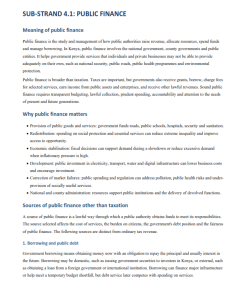
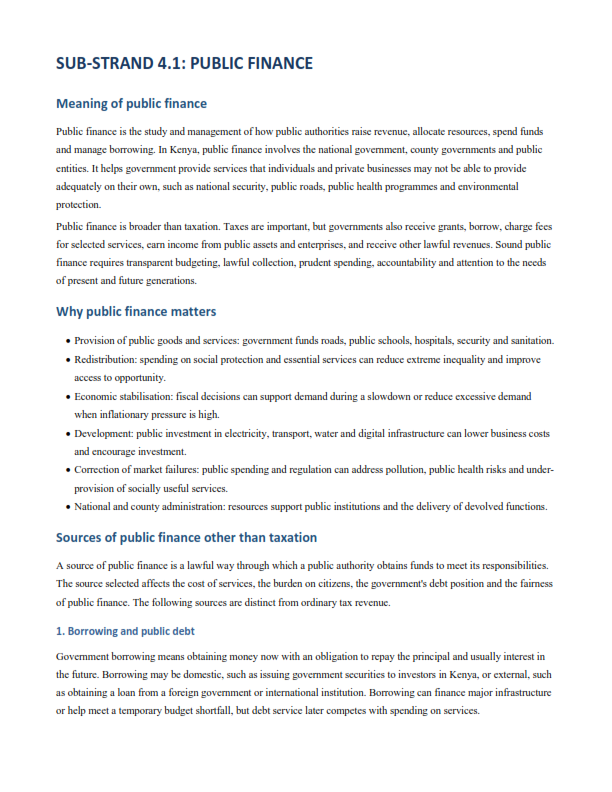
Grade 11 Business Studies Strand 4.0 Government and Global Influence in Business Notes
Original price was: KSh100.00.KSh70.00Current price is: KSh70.00.
Quick View
Grade 11 Lesson Notes
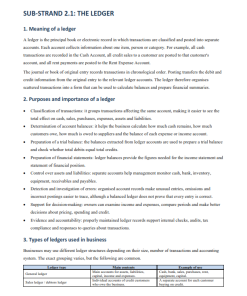
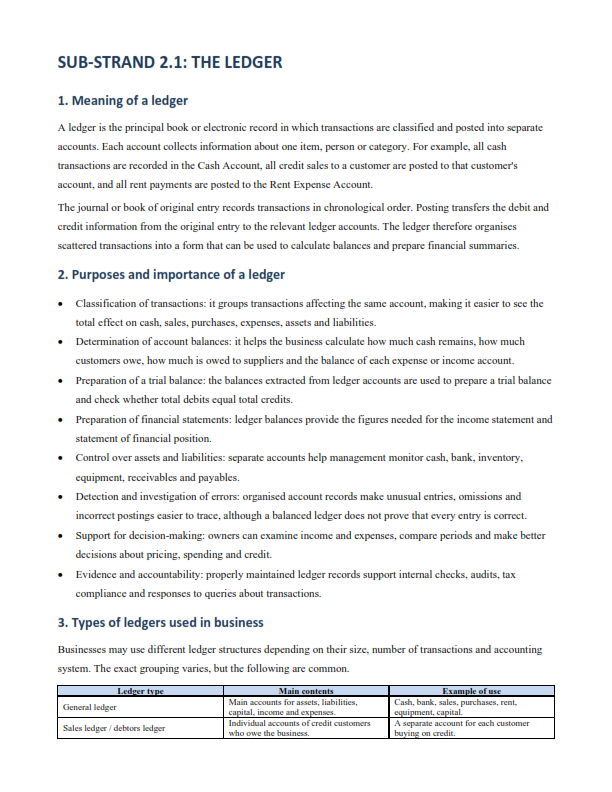
Grade 11 Business Studies Strand 2.0 Financial Records in Business Notes
KSh100.00
Quick View
