
-
×
 2025 Grade 4 KLB CRE Rationalized Lesson Plans Term 2
1 × KSh70.00
2025 Grade 4 KLB CRE Rationalized Lesson Plans Term 2
1 × KSh70.00 -
×
 KNEC Mpesa Business Plan
1 × KSh299.00
KNEC Mpesa Business Plan
1 × KSh299.00 -
×
2022 FORM 4 KLB AGRICULTURE SCHEMES OF WORK TERM 2
1 × KSh50.00
-
×
Form 1 History and Government Hand Book Notes
1 × KSh99.00
-
×
2024 GRADE 8 KLB INDIGENOUS LANGUAGES SCHEMES OF WORK TERM 1
1 × KSh70.00
-
×
2023 GRADE 4 KNOWING GOD CRE LESSON PLANS - TERM 1
1 × KSh100.00
-
×
2024 Grade 1 Mid Term 2 Exams 2024 - Set 1
1 × KSh149.00
-
×
GRADE 8 ENGLISH CURRICULUM DESIGN
1 × KSh50.00
-
×
 2026 GRADE 3 CHAMPION CREATIVE ARTS SCHEMES OF WORK TERM 2
1 × KSh60.00
2026 GRADE 3 CHAMPION CREATIVE ARTS SCHEMES OF WORK TERM 2
1 × KSh60.00 -
×
2024 PRE – PRIMARY 2 CREATIVE ARTS SCHEMES OF WORK - TERM 1
1 × KSh70.00
-
×
2026 Grade 10 Home Science Lesson Plans Term 1
1 × KSh100.00
-
×
2024 GRADE 8 MATHEMATICS END TERM 2 EXAMS WITH MARKING SCHEME
1 × KSh40.00
-
×
2023GRADE 4 KLB VISIONARY ISLAMIC RELIGIOUS EDUCATION (IRE) SCHEME OF WORK - TERM 2
1 × KSh70.00
-
×
2024 FORM 4 CHEMISTRY PAPER 1-3 END TERM 2 EXAMINATIONS WITH MARKING SCHEMES
1 × KSh70.00
-
×
Grade 3 Foundation Movement activities Lesson Plan Term 3
1 × KSh50.00
-
×
2024 GRADE 2 RATIONALIZED ASSESSMENT REPORT BOOK
1 × KSh100.00
-
×
2024 GRADE 8 KISWAHILI STUDIES END TERM 2 EXAMS WITH MARKING SCHEME
1 × KSh40.00
-
×
Cafeteria Business Plan
1 × KSh299.00
-
×
2024 GRADE 8 OXFORD GROWING IN CHRIST CRE SCHEMES OF WORK - TERM 1
1 × KSh100.00
-
×
2022 GRADE 6 KLB VISIONARY HOMESCIENCE SCHEMES OF WORK TERM 2
1 × KSh70.00
-
×
2026 GRADE 9 SMART MIND SOCIAL STUDIES SCHEMES OF WORK - TERM 1
1 × KSh50.00
 2025 Grade 4 KLB CRE Rationalized Lesson Plans Term 2
 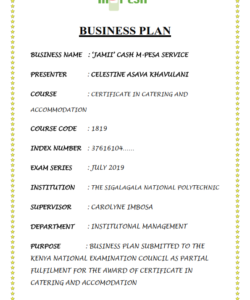 KNEC Mpesa Business Plan
  2022 FORM 4 KLB AGRICULTURE SCHEMES OF WORK TERM 2
 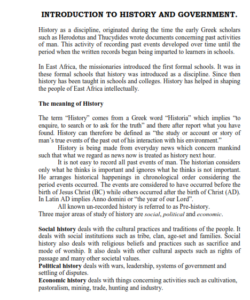 Form 1 History and Government Hand Book Notes
  2024 GRADE 8 KLB INDIGENOUS LANGUAGES SCHEMES OF WORK TERM 1
  2023 GRADE 4 KNOWING GOD CRE LESSON PLANS - TERM 1
  2024 Grade 1 Mid Term 2 Exams 2024 - Set 1
  GRADE 8 ENGLISH CURRICULUM DESIGN
  2026 GRADE 3 CHAMPION CREATIVE ARTS SCHEMES OF WORK TERM 2
 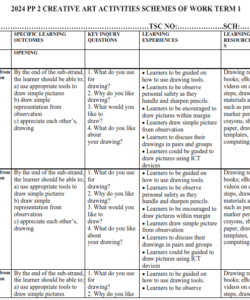 2024 PRE – PRIMARY 2 CREATIVE ARTS SCHEMES OF WORK - TERM 1
  2026 Grade 10 Home Science Lesson Plans Term 1
  2024 GRADE 8 MATHEMATICS END TERM 2 EXAMS WITH MARKING SCHEME
  2023GRADE 4 KLB VISIONARY ISLAMIC RELIGIOUS EDUCATION (IRE) SCHEME OF WORK - TERM 2
 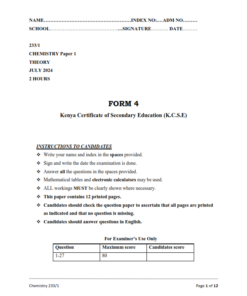 2024 FORM 4 CHEMISTRY PAPER 1-3 END TERM 2 EXAMINATIONS WITH MARKING SCHEMES
  Grade 3 Foundation Movement activities Lesson Plan Term 3
 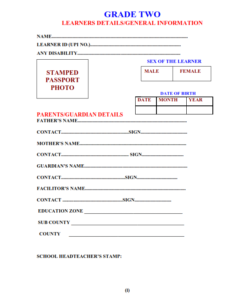 2024 GRADE 2 RATIONALIZED ASSESSMENT REPORT BOOK
  2024 GRADE 8 KISWAHILI STUDIES END TERM 2 EXAMS WITH MARKING SCHEME
 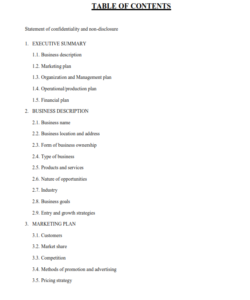 Cafeteria Business Plan
  2024 GRADE 8 OXFORD GROWING IN CHRIST CRE SCHEMES OF WORK - TERM 1
It covers the following strands and sub-strands:
- WRITING
- Eye-hand coordination
- Describe how to pegging puzzles and fitting templates.
- Practise typing letters on a computer key board.
- Take pleasure in doing eye-hand coordination activities.
- Join dots to make letters.
- Demonstrate how to model different letters.
- Enjoy modelling different letters.
- Auditory discrimination
- Identify all letter sounds in the classroom environment.
- Articulate different letter sounds in and out of school.
- Experience pleasure through play in and out of school.
- Pronounce sounds that are closely related.
- Discriminate close relate sounds.
- Enjoy differentiating sounds that are closely related.
- Listen to different sounds.
- Repeat the listened sounds appropriately.
- Enjoy reading and listening to different sounds.
- Play letter game sounds.
- Recite letter rhymes.
- Take pleasure in using interactive programmes on letter sounds.
- Pattern writing
- Identify the pattern.
- Trace the patterns.
- Enjoy tracing the patterns.
- Describe different types of cursive patterns.
- Write the cursive patterns.
- Enjoy writing cursive patterns.
- Use audio visual materials to make simple cursive patterns in and out of class.
- Describe how to hold writing tools appropriately when writing.
- Experience pleasure in cursive pattern writing activities in and out of class.
- Join dots to make cursive patterns.
- Discuss how to join dots to make cursive patterns.
- Enjoy joining dots to make cursive patterns.
- Letter formation
- Model different letters.
- Describe how to model different letters.
- Enjoy modelling letters.
- Paint different types of letters.
- Describe how to paint different type of letters.
- Confidently paint different types of letters.
- Trace letters on a sand paper using their fingers.
- Write the letters on their books.
- Take pleasure in participating in activities for letter writing.
- Make letters using their body.
- Describe how to make letters using their bodies.
- Enjoy making letters using their bodies.
- Identify double line letters.
- Colour different types of letters.
- Confidently make letters using double line.
- Sing a song as they form letters.
- Form different types of letters on air.
- Appreciate forming different types of letters.
- Eye-hand coordination
- SPEAKING
- Passing information
- Describe how they pass information from one person to the other.
- Demonstrate how to pass information from one person to the other.
- Take pleasure in passing information.
- Retell short stories in and out of school.
- Use relevant vocabulary when engaging in dialogue.
- Take pleasure in passing verbal messages and retelling stories in and out of school.
- Watch a video clip.
- Talk about what they have watched on video clip.
- Confidently, discuss what they viewed on the video clip.
- Naming
- Say name of the objects.
- Color the objects.
- Appreciate colouring the objects.
- Name the people in the pictures.
- Demonstrate the work each person does in the picture.
- Take pleasure in naming people.
- Identify the names of different animals and colours.
- Describe different animals and colour in the environment.
- Take pleasure in the naming activities.
- Name safe and unsafe environment.
- Take a nature walk and identify safe and unsafe environment.
- Appreciate the safe environment.
- Passing information
- READING
- Visual memory
- Look at the objects within the environment.
- Recall what they saw.
- Take pleasure in carrying out visual memory activities.
- Identify uncomplete picture.
- Join the dots to finish the picture.
- Enjoy colouring the pictures.
- Describe how to play letter memory game.
- Play letter memory game.
- Confidently, play letter memory game.
- Visit a learning corner and recall they saw.
- Draw what they saw in the learning corner.
- Develop the visual memory skill for reading.
- Reading posture
- Identify correct reading posture in pictures.
- Sit appropriately when reading in and out of class.
- Enjoy participating in activities on reading posture in and out of class.
- Describe correct reading posture.
- Practise sitting properly while reading.
- Take pleasure in participating in correct reading posture.
- Letter recognition
- Say the sounds and letter aloud.
- Join the dots to complete letters.
- Enjoy saying sounds and letters aloud.
- Name uppercase and lowercase letter.
- Demonstrate how to write uppercase and lowercase letters.
- Apply the skills of writing letters in their daily lives.
- Match the capital and small letter.
- Identify capital and small letters.
- Appreciate matching capital and small letters.
- Describe how to play letter recognition game.
- Play letter recognition game.
- Sing a song on letter recognition.
- Describe how to trace letters.
- Trace letters.
- Enjoy tracing letters.
- Visual memory
- LISTENING
- Auditory Memory
- Say the sounds after the teacher.
- Recall the letter sounds learnt.
- Enjoy playing auditory memory game.
- Listen to audio-clip sounds and letters.
- Practice how to play letter game.
- Enjoy playing letter game.
- Auditory Memory
Related products

Quick View


Quick View
Sale
PP2 Lesson Plan
Original price was: KSh100.00.KSh70.00Current price is: KSh70.00.

Quick View
Quick View


Quick View
